
Best suited to
Compact restaurants, cafés, kiosks, cloud kitchens, pantries and food-service areas with a clearly defined fixture load.
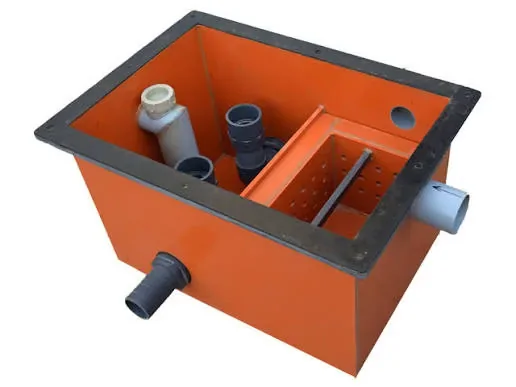
HDPE and uPVC grease traps can provide a corrosion-resistant, lightweight option for smaller and medium commercial kitchens. The correct product depends on temperature, wastewater flow, connected fixtures, installation location and the manufacturer’s operating limits.
The quotation should identify the selected model, source documents, responsibilities, exclusions and acceptance checks.
Compact restaurants, cafés, kiosks, cloud kitchens, pantries and food-service areas with a clearly defined fixture load.
Material specification, capacity, thermal limits, cover design, dimensions, pipe connection sizes and whether installation is indoor or outdoor.
Confirm stable support, pipe alignment, access for lid removal, protection from impact and any need for chambers, covers or civil modifications.
Lightweight material does not remove the need for frequent inspection and cleaning. The unit must remain accessible without disrupting kitchen operations.
List sinks, equipment, operating hours, cuisine type and expected wastewater or grease load.
Provide dimensions, photographs, access route and indoor or outdoor installation location.
Share pipe sizes, inlet and outlet levels, connection condition and any known approval requirements.
Confirm who will clean the unit, how it will be opened and how waste will be removed safely.
Product supply, plumbing, supports, civil work, access covers, electrical controls, testing, documentation and maintenance are separate responsibilities unless the quotation combines them explicitly.
Send kitchen demand, dimensions, connection photos and preferred supply or installation scope.
